

The Freaky Link Journal · Toy Care & Lube
I would like to retire the idea that lubricant is only invited when something is wrong. Sometimes you simply want less friction. An extremely reasonable request.
Then you meet the labels: water-based, silicone-based, hybrid, warming and a bottle making promises with suspicious enthusiasm. Before the marketing gets carried away, let’s settle the useful water-based vs silicone lube questions.
The right choice depends on your body, the toy or barrier you plan to use, and how you feel about reapplying and washing up afterwards.
Water-based lube: a useful starting point
Water-based lubricant is generally a straightforward choice with sex toys and condoms. It is usually easy to wash off and tends to be a practical option when you want one bottle that fits several situations. Check the exact product’s directions and ingredient list.
The trade-off is that it may dry or become tacky as you use it, so you might want to reapply. Different formulas feel different: some are thin, some are gel-like, and a higher price does not automatically tell you which texture you will prefer.
Silicone-based lube: longer-lasting glide, more compatibility homework
Silicone formulas generally last longer and resist washing away with water. That may appeal if you dislike stopping to reapply. Clean-up can take more effort, and you should check any instructions about fabrics and surfaces.
The main shopping catch is silicone toys. Silicone lubricant can damage some silicone toy surfaces. I would choose water-based lube with a silicone toy unless its manufacturer explicitly confirms compatibility with the exact lubricant. Hybrid formulas can contain silicone too, so read beyond the front label.
What works with condoms?
Water-based and silicone-based lubricants are the usual compatible options with latex condoms. Oil-based products can weaken latex and polyisoprene, so avoid mixing them. Follow the instructions on the condom packet for its exact material.
That includes household oils, petroleum jelly and lotions. A familiar ingredient is not automatically suitable for intimate use or barriers. The NHS condom guide explains why oil-based lubricant should not be used with latex condoms.
Choose the formula for the job
- Using a silicone toy? Water-based is the sensible starting point. Check both labels.
- Using condoms? Check the barrier material and lubricant directions together.
- Want easy clean-up? A water-based formula is often convenient.
- Prefer longer-lasting glide? A silicone formula may appeal if it is compatible with everything involved.
- Have sensitive skin? Read ingredients and be cautious about added fragrance, flavour or warming effects. Plain packaging is allowed to win.
For anal activity, lubricant is particularly important because the anus does not produce its own lubrication. Add more as needed and stop for pain or irritation. Numbing products are a poor way to push through discomfort because you need to notice what your body is telling you.
Planned Parenthood’s lubricant guide covers friction, condom compatibility and why lubricant matters during anal activity.
What about the “enhancing” promises?
I would treat those words as claims to examine rather than guaranteed results. No bottle can promise the same sensation for every person. Check the actual ingredients, intended use and warnings, especially if a formula adds warming, cooling or tingling effects.
Stop using a product that burns, stings or causes a rash. If symptoms persist or you repeatedly experience discomfort, speak with a qualified healthcare professional. Buying a stronger sensation is not the answer to irritation.
A practical basket, with no overcomplication
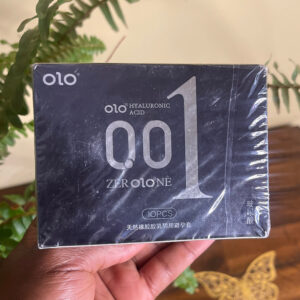
Below you will find a water-based lubricant, an external vibrator and latex condoms. They illustrate the three labels worth reading together. Open the current listings for materials, directions, price and availability, and check the physical packaging before use.
There is no need to turn a lube purchase into a personality test. Choose for compatibility, comfort and the texture you prefer. Then keep the instructions somewhere more useful than underneath every receipt in the drawer.
The related edit
A few things worth a look
Three products connected to this conversation. Open each page for the details, current price and availability.


Let’s talk practical details
Unsure whether a lubricant suits a particular toy? Send us both product names before ordering and we will help check the manufacturer’s guidance.
Ask us on WhatsAppBy The Freaky Link editorial team · Updated 15 October 2026. General information for adults. The Freaky Link sells the products featured here. Illustrative editorial imagery.
